Discussions about sustainable palm oil often focus on deforestation, biodiversity and the use of fire in land preparation. These are important environmental concerns, and they are addressed through specific requirements under the Malaysian Sustainable Palm Oil (MSPO) certification scheme.
MSPO 2.0, developed under the MS 2530:2022 series of standards, includes environmental requirements relevant to oil palm cultivation. Three areas are particularly important: the protection of natural forests and other sensitive areas, the continued management of High Conservation Values (HCVs), and restrictions on using fire for land preparation.
Protecting Natural Forests and Sensitive Areas
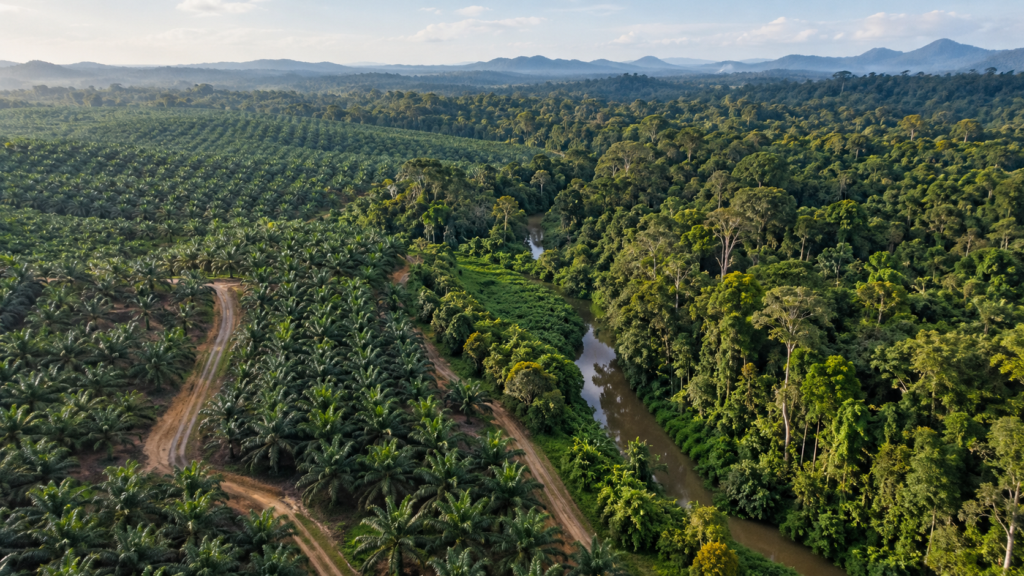
Under MSPO 2.0, natural forests, protected areas and areas containing High Conservation Values must not be converted for new oil palm planting after 31 December 2019. The cut-off date provides a clear point of reference when evaluating land proposed for new development.
This requirement matters because sustainable production is not determined solely by how an existing plantation is managed. It also involves where new planting takes place and whether areas of environmental significance are protected from conversion.
High Conservation Values: Protection Beyond Identification
High Conservation Values refer to environmental, ecological and social features that are particularly important and require appropriate protection. Depending on the location, these may include significant biodiversity, critical ecosystems and areas of cultural or community importance.
Identifying HCVs is only the first step. Under MSPO 2.0, organisations are required to monitor their status periodically and adapt management plans where necessary to support their continued protection. This ongoing process helps organisations identify changes, respond to emerging risks and maintain conservation measures that remain relevant over time.
In 2025, MSPO published HCV assessment guidelines for new and existing plantings, providing further guidance on the assessment and management of these areas.
Restricting the use of fire
The use of fire for land clearing and preparation can pose risks to air quality, surrounding ecosystems and nearby communities. Responsible land preparation therefore includes measures to prevent and manage these risks.
Under MSPO 2.0, Principle 5, Criterion 7 (Zero Burning Practices), the use of fire for preparing land for oil palm cultivation and replanting is restricted, subject to exceptions permitted under applicable laws and requirements.
The standard also addresses fire prevention, preparedness, response and mitigation measures. These requirements place emphasis on responsible planning and risk management, rather than relying solely on action after a fire-related incident has occurred.
What do these requirements mean
Forest protection, conservation management and restrictions on open burning address different but interconnected aspects of responsible oil palm cultivation. They establish requirements for preventing the conversion of important natural areas, maintaining conservation measures over time and managing the risks associated with fire use.
As with any certification scheme, these requirements apply within the relevant certification scope, and compliance is subject to the scheme’s verification processes.
By setting out these requirements, MSPO 2.0 provides a framework against which relevant practices can be assessed and verified.
To learn more, explore the MSPO 2.0 standards and supporting documents at: www.mspo.org.my/standards