
International trade is becoming more complex, particularly for agricultural commodities. Producing countries must navigate different regulatory requirements, sustainability expectations and sourcing policies across importing markets.
What is considered sufficient evidence of responsible production in one market may not necessarily satisfy the requirements of another.
For businesses operating across international supply chains, this creates a practical challenge: how can they demonstrate consistent standards when the expectations of their customers and regulators continue to differ?
National certification frameworks have an important role to play in addressing this challenge.
Different requirements, common foundations
International sustainability requirements do not always develop in the same direction or at the same pace.
Some markets place greater emphasis on traceability and deforestation risks, while others focus on legal compliance, labour conditions or environmental performance.
These priorities are not necessarily contradictory, but they can create additional work for producers and exporters expected to demonstrate compliance with multiple requirements.
A credible national certification framework can help by establishing a consistent foundation for responsible production.
Rather than requiring producers to approach every market with entirely different operating practices, certification provides common requirements that can be implemented and assessed across the supply chain.
For Malaysia’s palm oil industry, the Malaysian Sustainable Palm Oil (MSPO) certification framework serves this purpose through its national sustainability standards.
Environmental responsibility beyond market requirements
One important consideration is that environmental responsibility should not depend solely on the requirements of an importing country.
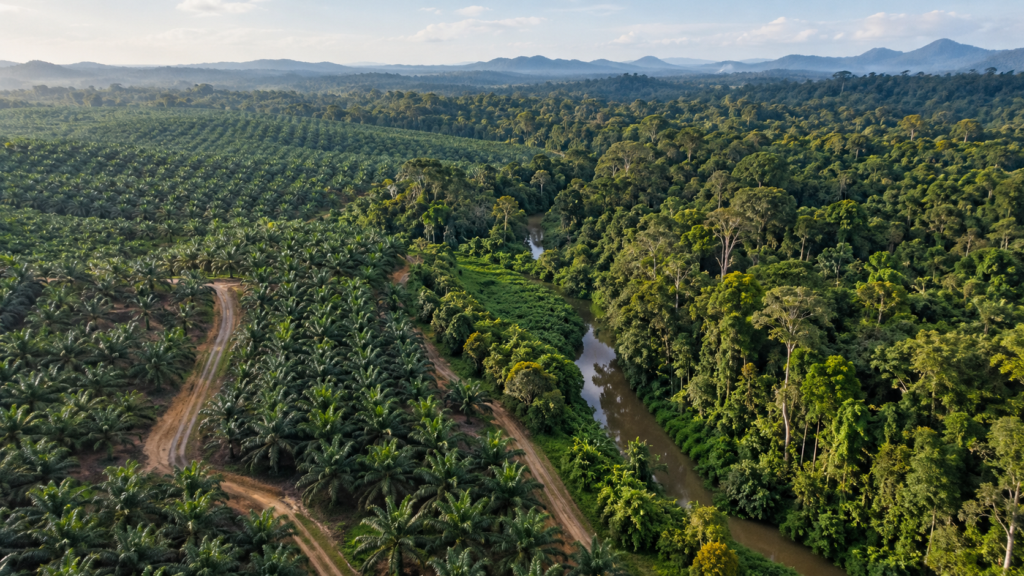
Issues such as land management, biodiversity conservation and the use of fire can have consequences extending beyond individual plantations or national borders.
Poor environmental practices can affect surrounding communities, ecosystems and neighbouring areas. They can also raise questions about the credibility of sustainability commitments throughout an industry.
This makes environmental safeguards an important part of a national certification framework, rather than simply a response to pressure from overseas markets.
Under MSPO 2.0, Principle 5 addresses environmental management, natural resources, biodiversity and ecosystem services.
The framework includes requirements relevant to responsible land management, the protection of environmentally sensitive areas and controls on the use of fire.
These requirements establish expectations for certified operations. However, their credibility ultimately depends on how effectively they are implemented, monitored and verified.
A standard on paper is only the beginning. What matters is whether the requirements translate into responsible practices on the ground.
Why national systems matter
National certification frameworks have an advantage in being developed with an understanding of the industries and operating conditions they are intended to cover.
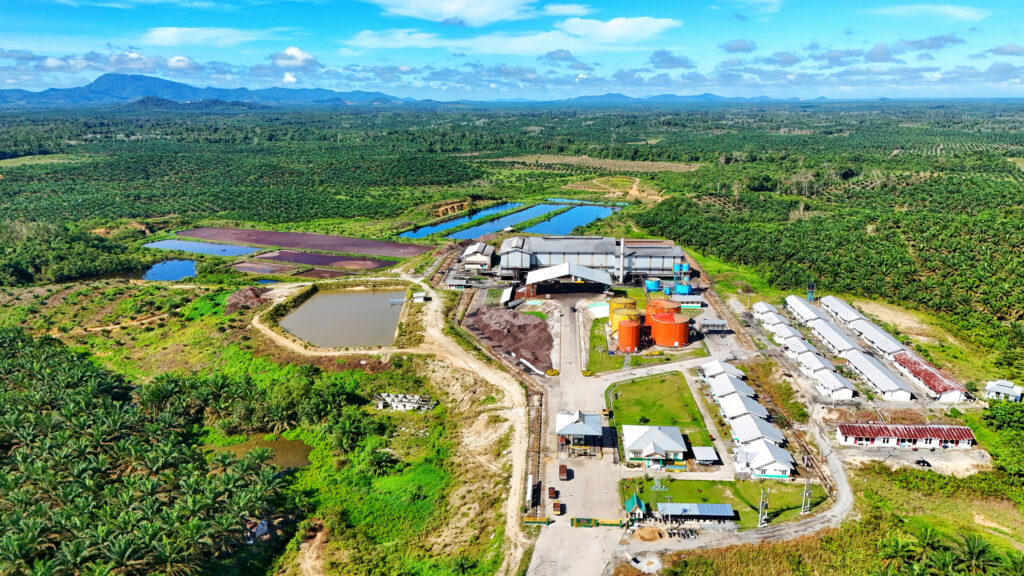
Malaysia’s palm oil sector includes large plantations, independent smallholders, processing facilities, traders and other supply-chain participants.
Establishing consistent sustainability requirements across such a diverse industry requires a framework that is both credible and practical to implement.
MSPO provides a common reference point for these different participants, covering areas such as traceability, legal compliance, social responsibility and environmental management.
This does not mean that national certification replaces international regulations or automatically satisfies every importing country’s requirements.
Rather, it provides a foundation upon which businesses can demonstrate responsible practices and respond to additional expectations where necessary.
Credibility depends on implementation
As sustainability requirements become more demanding, the credibility of certification systems will increasingly depend on the quality of their implementation.
Buyers and regulators may want to understand not only what a standard requires, but also how compliance is assessed, how concerns are addressed and whether information can be independently verified.
This is particularly important when environmental issues attract public attention.
Questions about land-use practices, biodiversity protection or fire-related risks cannot be answered through certification claims alone.
They require clear requirements, credible assessment processes and a willingness to address shortcomings when they are identified.
For national certification systems, maintaining public and market confidence therefore requires continued attention to implementation and accountability.
Consistency in a changing trade environment
Global sustainability requirements will continue to evolve, and producing countries will need to respond to changing expectations.
However, a fragmented international system should not mean fragmented commitments to responsible production.
National certification can provide continuity by establishing common expectations across an industry, even as individual markets introduce new requirements.
For Malaysia, strengthening the credibility and implementation of MSPO is therefore relevant not only to sustainability, but also to the country’s ability to maintain confidence among international buyers.
The value of national certification lies in providing a consistent foundation that businesses, regulators and stakeholders can understand and assess.
In a world of differing standards and expectations, credibility comes not simply from having a framework, but from demonstrating that it works.